
There are four stories I could tell if I knew the words
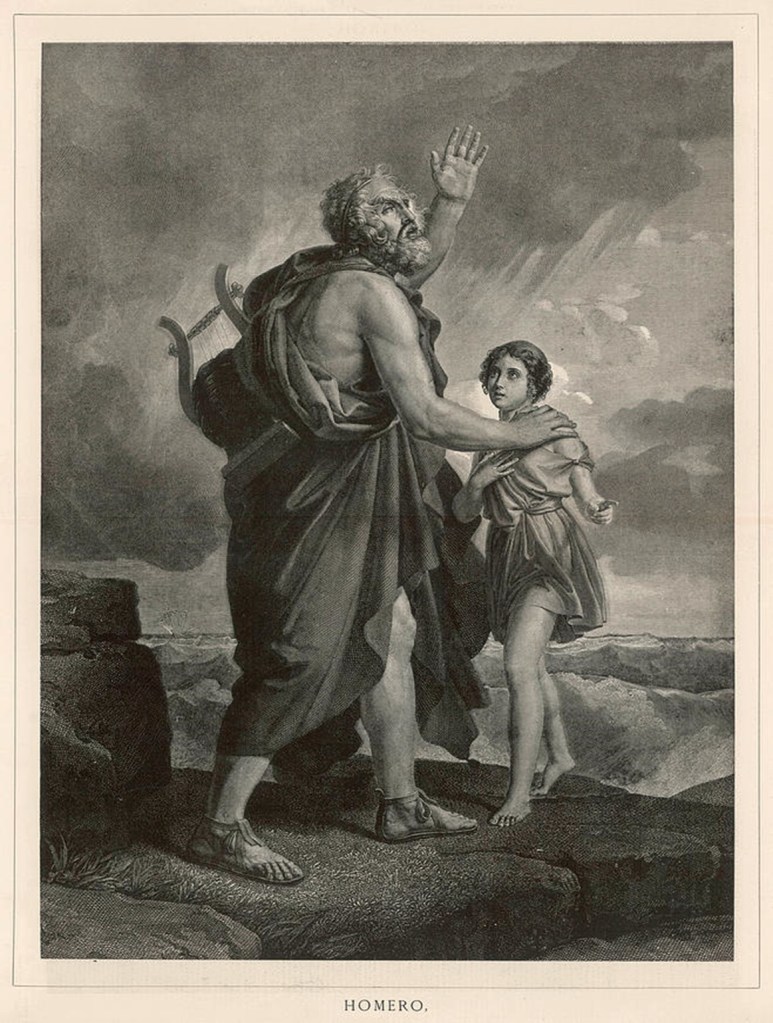
RES IPSA LOQUITOR
In one,
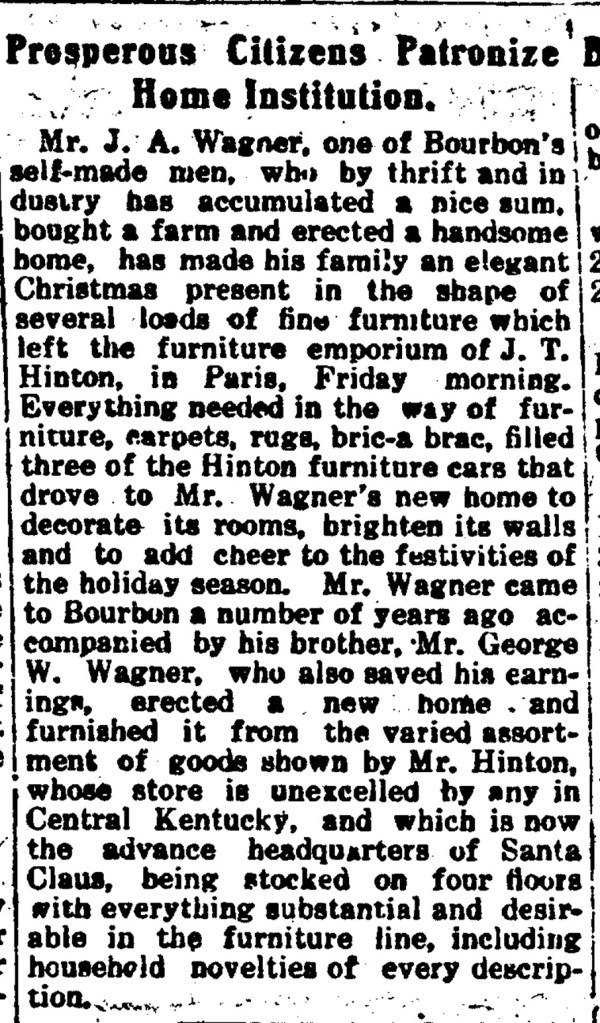
a self-made man of German ancestry,
and even for that well intentioned,
rides into town on a freight wagon
and sets himself up in business.
Well received,
he begins to build
a big white house on South Main
for his family
only to discover that his youngest son
has a venereal disease
that will destroy his mind.
Already all the son can do
is sit smiling on the front porch
of the unfinished house,
rocking in a new chair recently delivered
by an ambitious store clerk.
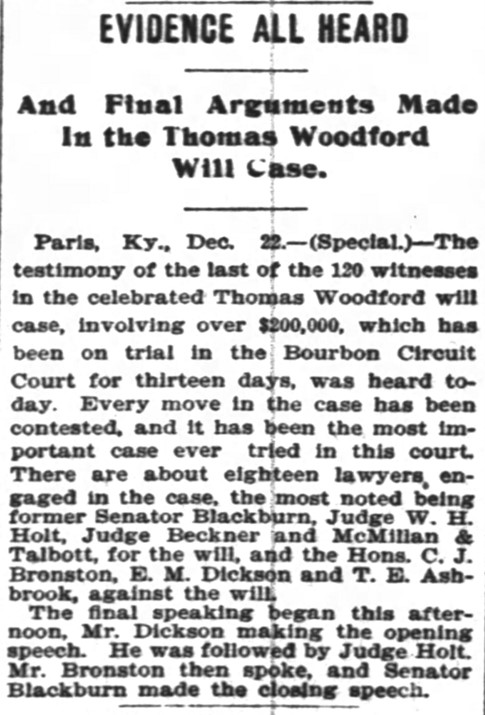
Then there is the story about the rich old man
without children,
who had, in one of his more sane and sober moments,
decided to divide all his monies equally
amongst his vast tribe of nieces and nephews.
When two of those discovered his intent
they schemed to divert it all to themselves.
They are only caught out
when he chokes on a chicken bone
and dies.
When the will is readthe dispossessed scream in agony.
They hire a lawyer who declaims
the two who profited got the old man drunk.
But the judge, from another county,
ruled that just because he was drunk
didn’t mean he couldn’t write a will
stating his clear intentions.
No matter.
By then most of the money was gone anyway,
pissed out in filing fees
or abandoned in fancy funeral homes.
Should murder stories be told?
They are so lacking in irony and human interest.
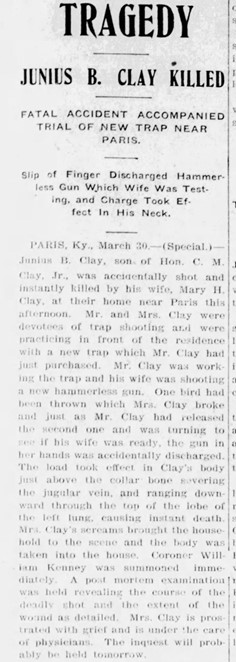
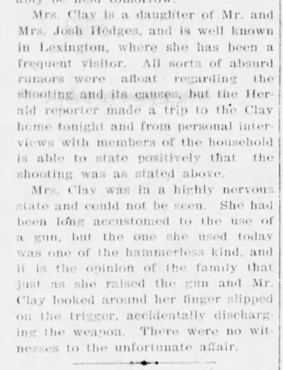
Take the case of a woman
who shot her husband dead on the back porch
of their big old house out in the country.
She claimed he was learning her to shoot for
when the neighbors came around
for bar-b-que and blood sports.
Some believed she was innocent,
some did not,
especially her husband’s father
who just happened to be an elected official
of admirable integrity.
As she was so prostrated with grief
she lost consciousness
and could not be arrested or brought to trial.
She had to be looked after
for days on end
by a hired nurse
until she got better and moved elsewhere.
But there are worse things than murder.
There is the loss of honor.
There was a good man,
who was President of a Bank,
beloved by many in his little town
who looked up to him and called him mister.
But a man with an ancient curse on his blood
got a job as a bank examiner,
and accused the good man of embezzling,
which he really didn’t do…he just lent to people
without telling anybody so he could help them out
in a discreet manner.
The bank examiner got him sent to jail
which embarrassed the good man to death.
He left behind an only daughter,
who vowed to pay it all back by
working the rest of her life in the ticket window
of what was at first a silent picture show,
but then grew into a movie palace,
when sound and color came in.


Estill Curtis Pennington is a native of Bourbon County who won his high school’s poetry prize in 1968.
Next Poet: Ellen D. B. Riggle: He/She/They
 Pegasus
Leave a comment